PIERRE CROZAT : PORTRAIT
Architect EPFL ENAC (CH) 1971 SIA Award
Dr GC Engineer – INPL/ENSMN (F) Congratulations
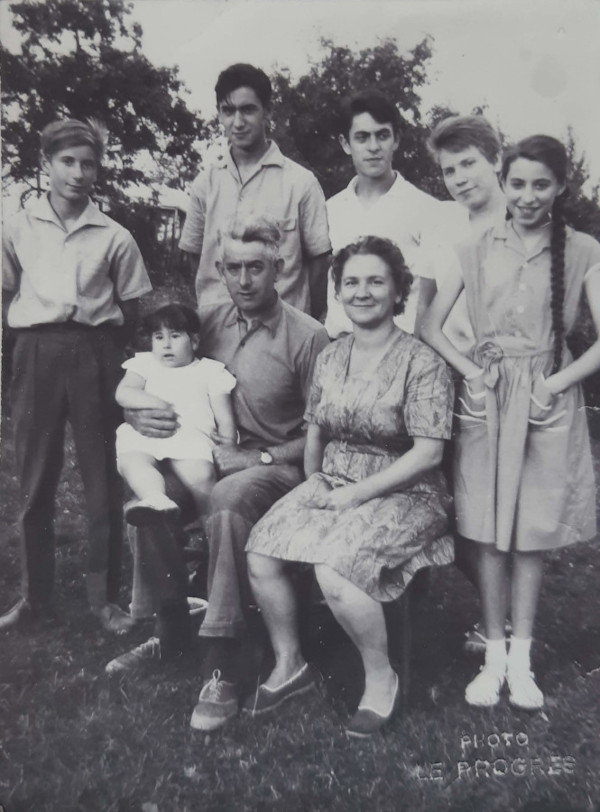
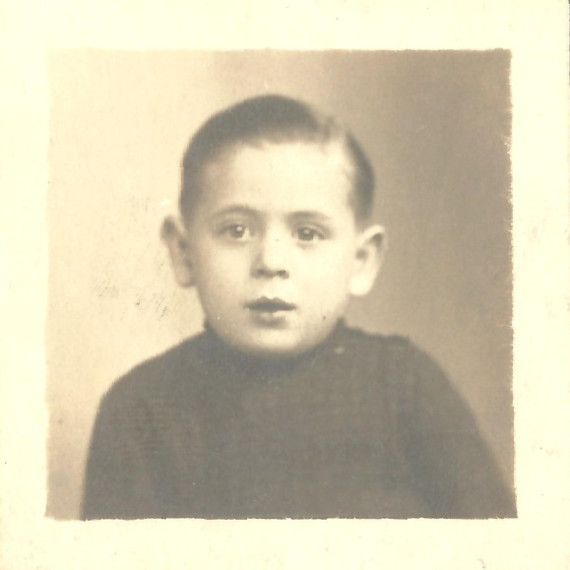
FAMILY ORIGINS AND CHILDHOOD
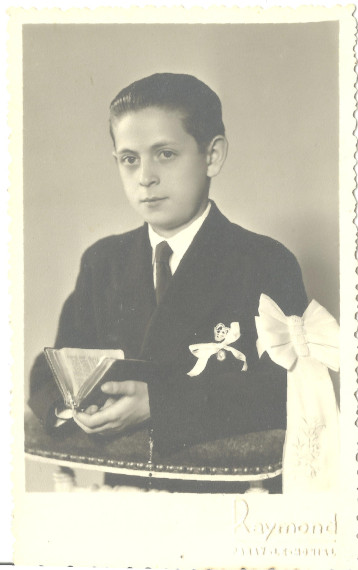
STUDIES AND EDUCATION

MILITARY SERVICE
He then completed eighteen months of military service. After parachute training and a three‑month deferment, he was incorporated into the 1961 class. He attended the Reserve Officers’ School and the CIDB in Trier, Germany, before joining the 43rd Marine Infantry Battalion (43e RBIMa) in Offenburg.
EARLY CIVILIAN EXPERIENCES
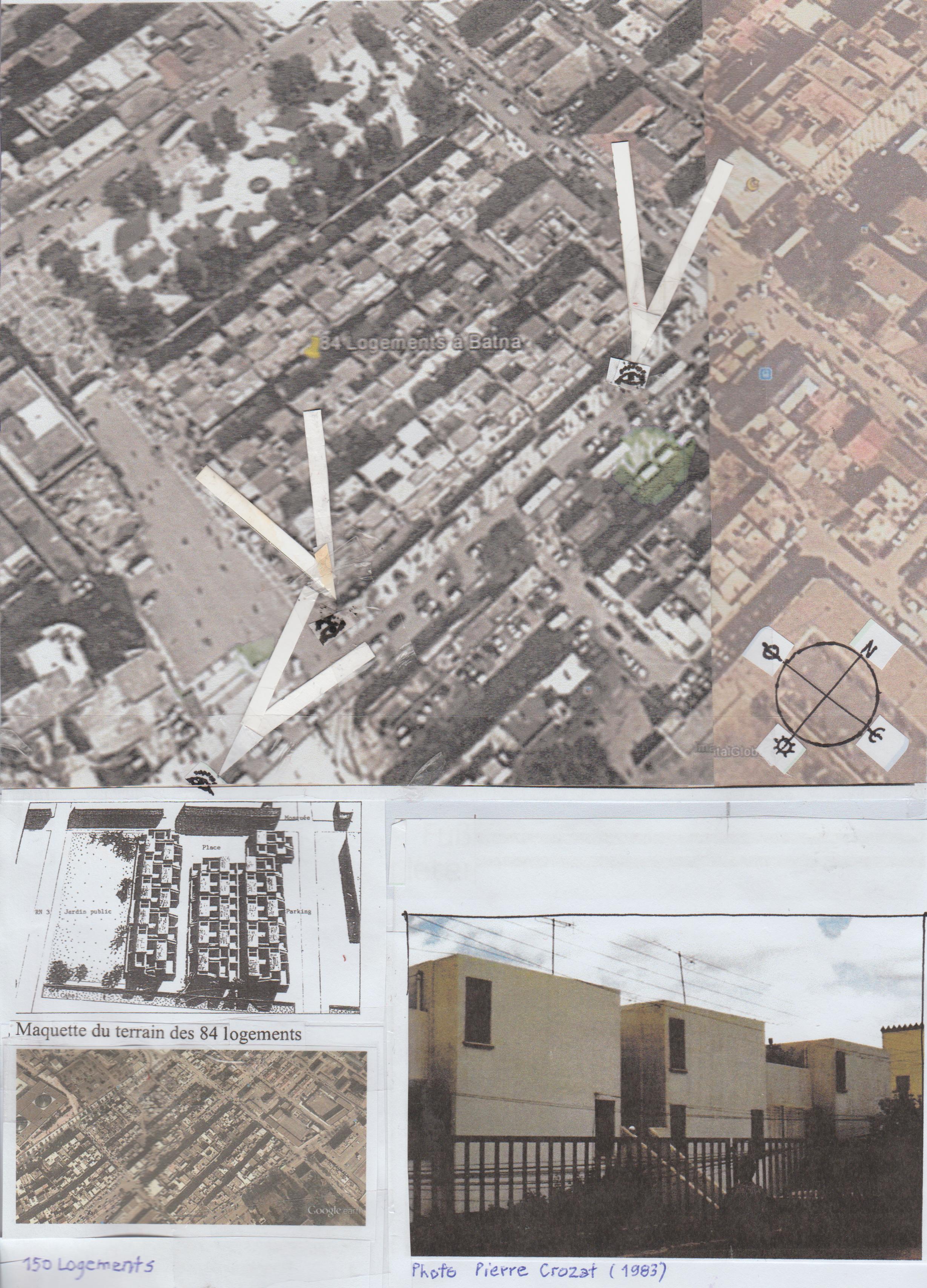
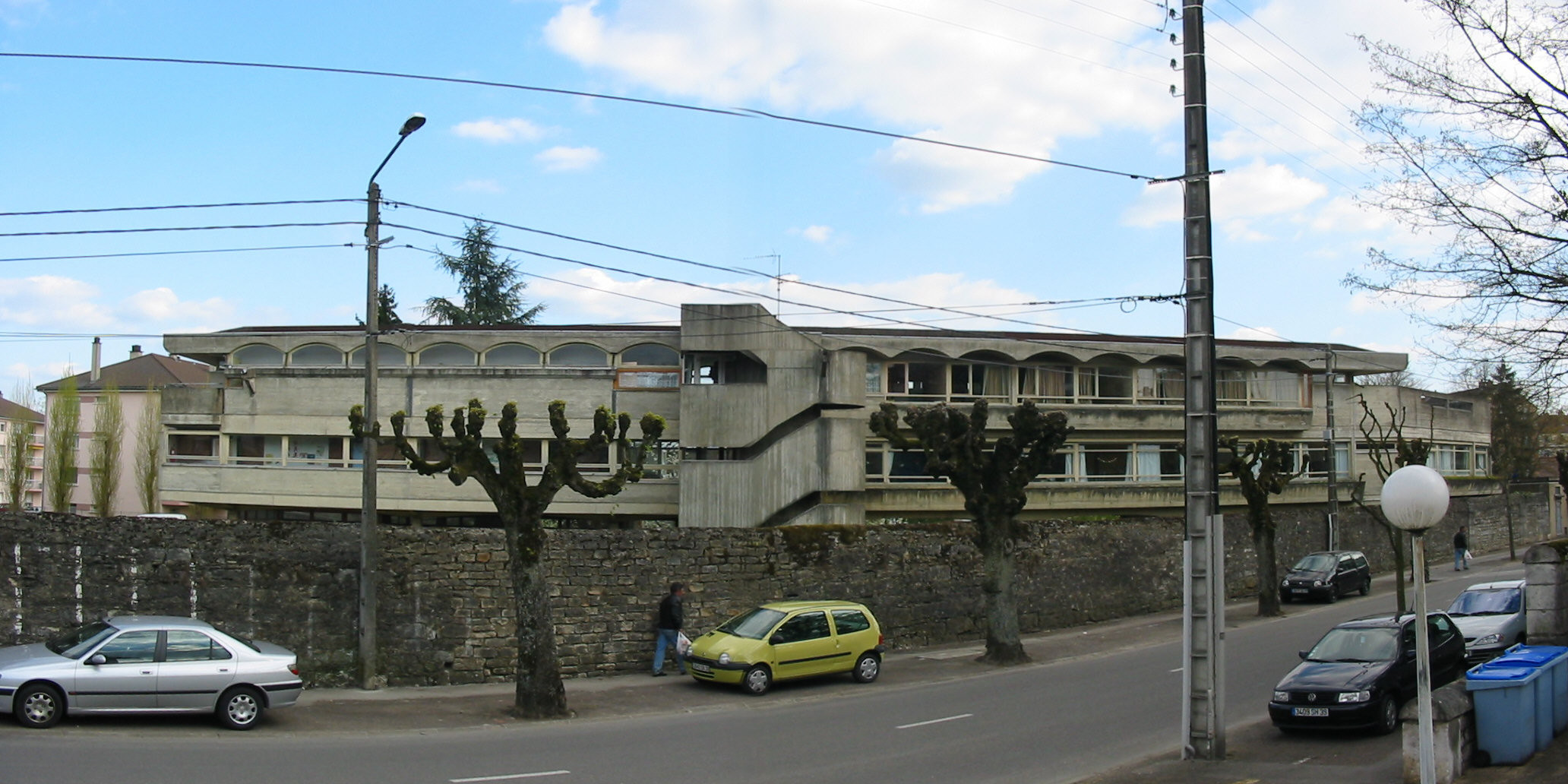
In his fourth year, he specialized in urban planning. His diploma project focused on a study entitled “Territorial Planning: Impact of the Large‑Gauge Rhine–Rhône Canal Project in Burgundy–Franche‑Comté.” This thesis received the award for best work from the Swiss Society of Engineers and Architects.
EARLY PROFESSIONAL CAREER
From 1971 to 1974, he served as an urban‑planning consultant for the Jura Departmental Directorate of Equipment (DDE), within the GEP, as a contract specialist. He contributed to the Land‑Use Plan (Plan d’Occupation des Sols) of Salins‑les‑Bains, the first POS ever implemented in France. In Dole, he studied a new crossing of the Doubs River to address the saturation of the Louis XV Bridge and proposed the construction of a second bridge, the “Pont de la Corniche.”
Beginning in 1975 and continuing until 2007, he practiced independently within his own architectural and urban‑planning agency, specializing in territorial development.
In 1984, he took part in founding the Rhône‑Alpes Co‑Development Association (A.CO.DE.R.A.), a decentralized international‑cooperation structure dedicated to housing, construction, and public‑works initiatives. Two years later, he formed a partnership with HOANG Phuc Sinh, an architect of Vietnamese and Chinese origin who had studied in the same class at EPFL.
INTERNATIONAL COOPERATION AND MAJOR PROJECTS (1987-1990)
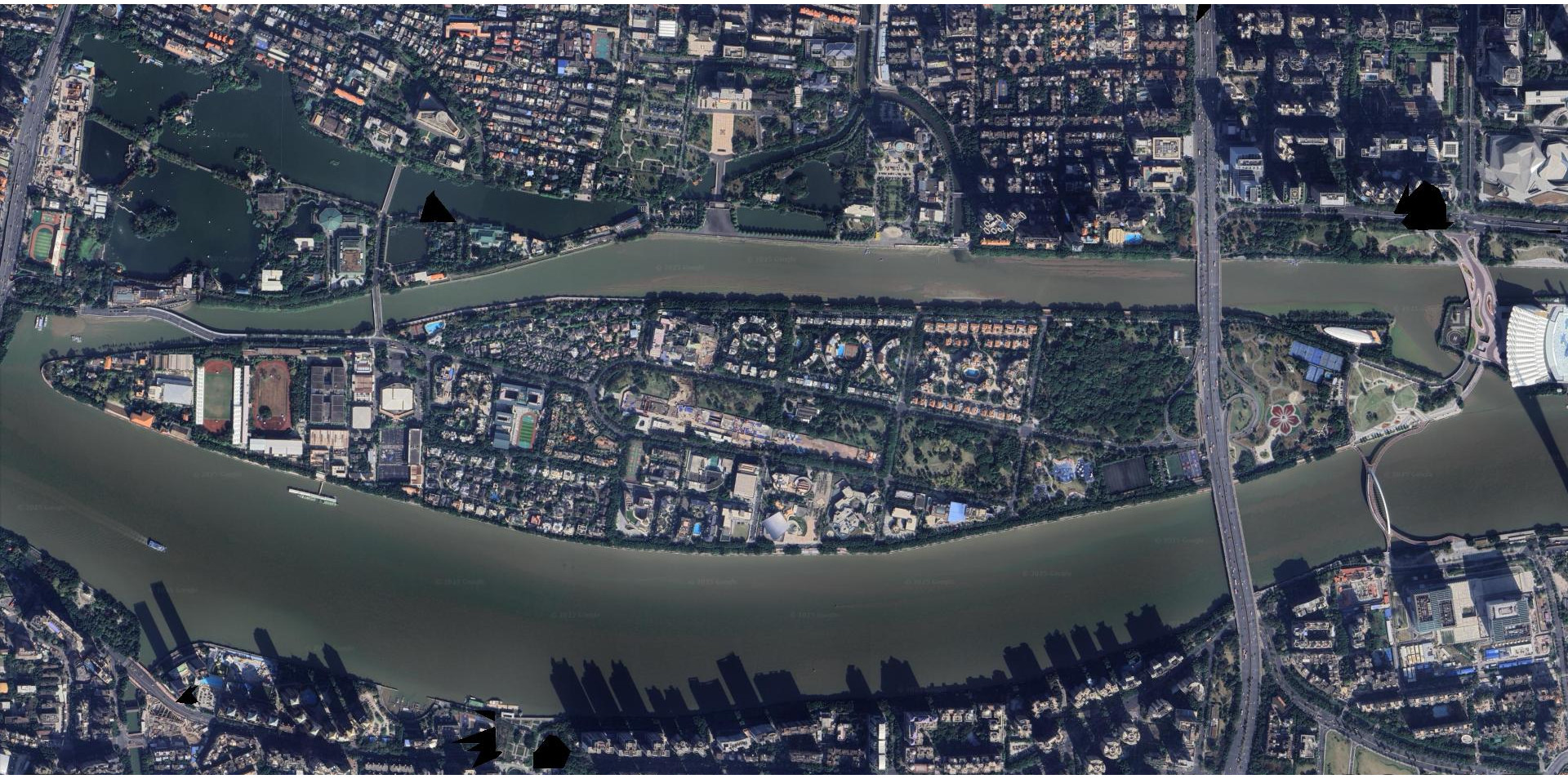
They prepared the master plan for Ershadao Island in Guangzhou (Canton), China, in collaboration with the Société d’Équipement de la Région Lyonnaise (SÉMALY): a project covering 126 hectares and 550,000 m² of floor area, which was awarded the Gold Medal of Guangzhou.
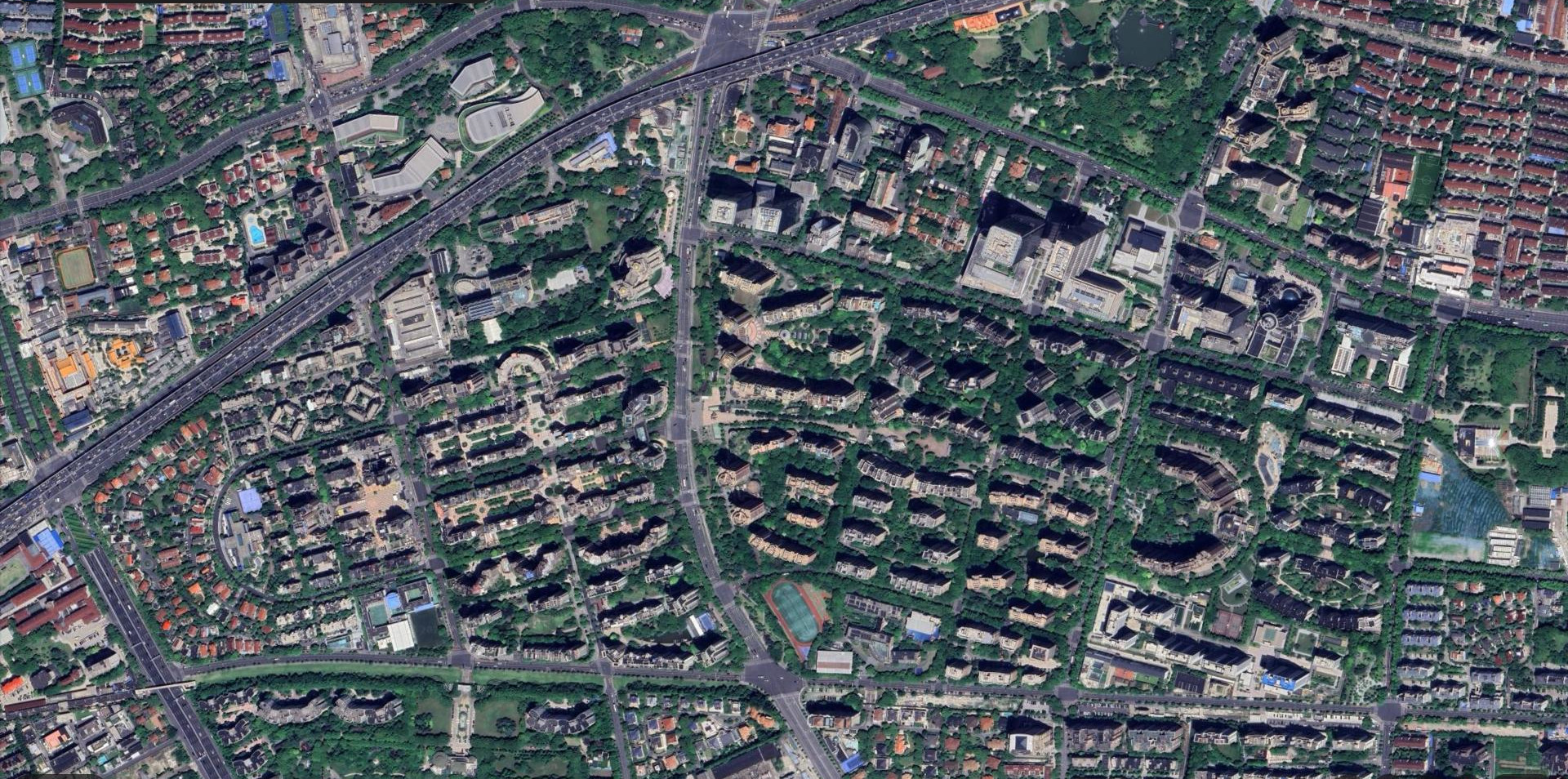
In addition, they developed the master plan for the Guobei district in Shanghai (156 hectares, 2,200,000 m² of floor area).
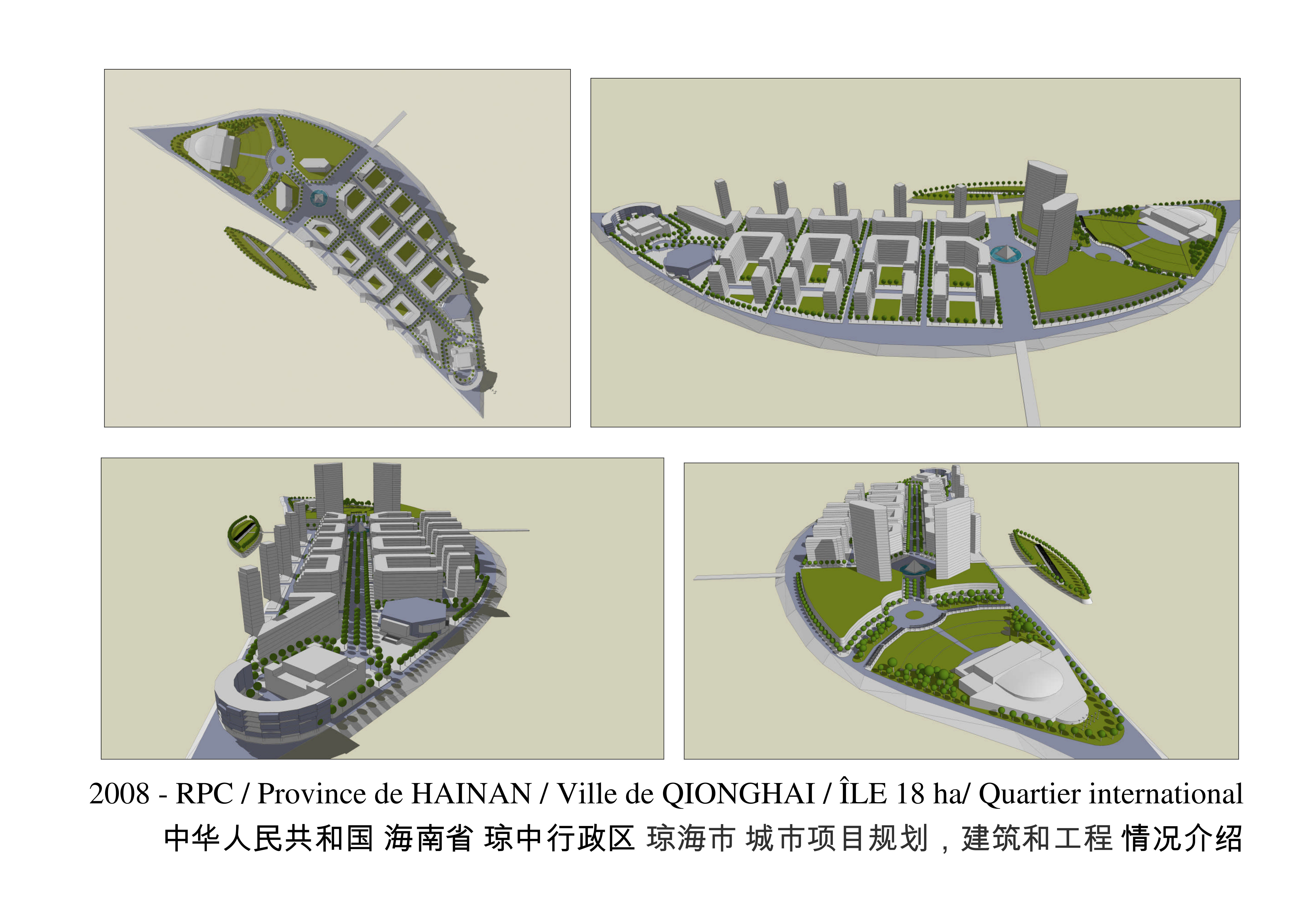
In Sanya, on Hainan Island, they participated in the project for the international airport, in collaboration with Aéroports de Paris and Spie‑Batignolles and carried out the master‑plan study for the city.
This period ended abruptly in 1990, following the Tian’anmen Square massacre, which led to the breakdown of diplomatic relations between France and China and the suspension of numerous projects.
THE 1990s: ARCHITECTURE, COMPETITIONS AND EXPERTISE
In 1990, he undertook a family cruise in Egypt—his first direct and formative encounter with the monuments that would later become the core of his scientific research.
In 1991, he entered the architectural competition for the ENSMM Engineering School in Besançon; his proposal was not selected, but it was compensated.
In 1992 and 1993, he completed several student‑housing projects:
- 84 units in Besançon,
- 48 in Blois,
- and the rehabilitation of the student residences of the ENI in Belfort,
Between 1993 and 1994, he worked in the field of international cooperation:
In Algeria, as a consultant for the Ministry of Foreign Affairs on housing issues, he contributed to the development of a co‑development strategy within the framework of Franco‑Algerian cooperation, through the Rhône‑Alpes Co‑Development Association (ACODERA).
In Cameroon, commissioned by UNIDO (United Nations Industrial Development Organization), he conducted a feasibility study for a stabilized‑earth housing program in Douala.
In 1995, he served as an international expert for Plan International in Vietnam, assessing the conditions required for the construction of 3,000 self‑built homes based on local resources and techniques.
In 1996, he worked as a consultant for the Industrial Development Centre of the European Community in Mauritania, assisting the SNIM in evaluating industrial investments in the field of construction materials and cement‑based components.
In 2002, he participated in the international competition for the Grand Egyptian Museum in Cairo–Giza, in partnership with architects Gilles AGONSÉ and Sevin KAYI. To learn more...
RESEARCH ON THE EGYPTIAN PYRAMIDS
EARLY WORK AND THE ABANDONED THESIS
The 1990 trip to Egypt awakened a scientific vocation. Pierre CROZAT undertook an in‑depth reading of ancient sources, including DIODORUS of Sicily and HERODOTUS—particularly Book II, §124, describing the construction of the Great Pyramid under KHUFU.
In 1993, he enrolled in a doctoral program at EPFL under the supervision of Frédéric AUBRY, but the latter’s passing and administrative delays eventually led to the thesis being discontinued.
RESEARCH, PUBLICATIONS AND FIRST LECTURES
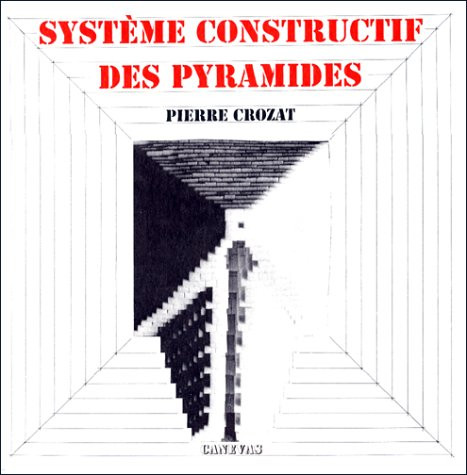
In 1996, he published his first book: SYSTÈME CONSTRUCTIF DES PYRAMIDES [1]Note [1] – Éditions CANEVAS - France (Février 1997) ISBN n°2-88382-065-1, offering a reinterpretation of the pyramidal growth process consistent with ancient texts.
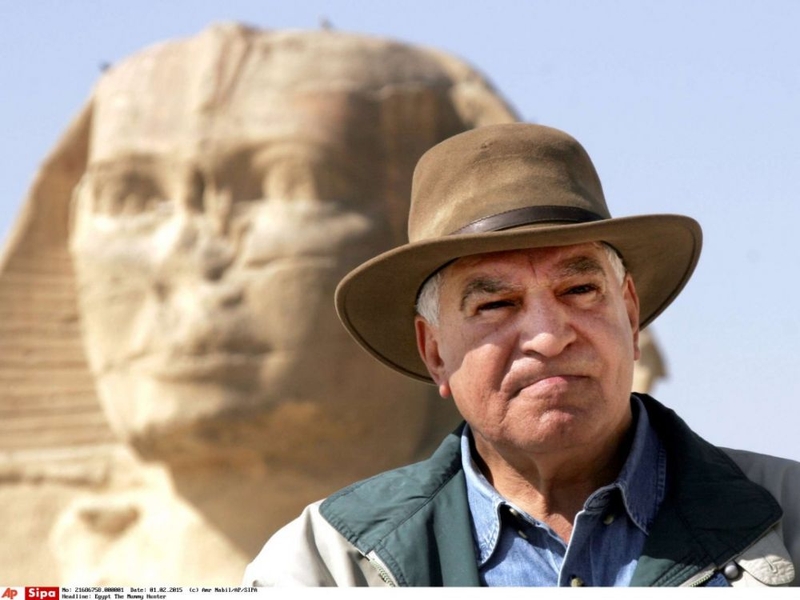
In 1997, he presented his work to the cultural attaché of the Egyptian Embassy in Paris, Dr. Fathy SALEH, who invited him to give a lecture at the Egyptian Cultural Center. He also organized a guided visit of the Egyptology collections of the municipal library of Dole, followed by a public conference.
In 2000, he took part in a UNESCO mission in Benin, commissioned by the AFRICA Department led by Noureini TIDJANI‑SERPOS. Together with architect Gilles AGOBSÉ, he conceived a project for the construction of a pyramid in honor of Nelson MANDELA, built from bags of earth collected by schoolchildren across Africa and assembled by the military –a symbolic reversal of the enslaved labor historically associated with pyramidal structures.
DOCTORATE IN CIVIL ENGINEERING
Between 1999 and 2002, Pierre CROZAT resumed his doctoral work, this time in Civil Engineering, Hydrosystems, and Geotechnics at INPL / ENSMN, under the supervision of Professors Jack‑Pierre PIGUET and Thierry VERDEL.
The thesis, titled Le génie des pyramides, was defended with unanimous praise from the jury chaired by Professor Hany HELAL of Cairo University.
The book derived from this research was published under the same title: LE GÉNIE DES PYRAMIDES [2]Note [2] – Éditions DERVY – France (Juin 2002) ISBN n° 2-84454-161-5.
SCIENTIFIC VERIFICATIONS AND GEOLOGICAL DISCOVERIES
From 2003 to 2007, he pursued postdoctoral studies aimed at scientifically confirming his constructive model. His initial intuition dated back to 1990: standing before the Sphinx, observing the stratification visible on its face within the geological context of the Giza Plateau, he understood that the sculpture originated from a “quarry bench”—revealing the natural strata of the plateau. This hypothesis was later verified on site and confirmed by two experts: geologist Djelloul AÏSSAOUI and Jean‑Paul FOUCHÉ, Director of the Higher Institute for Stone Trades (ISRFMP) of Rodez, part of the Compagnons du Devoir.
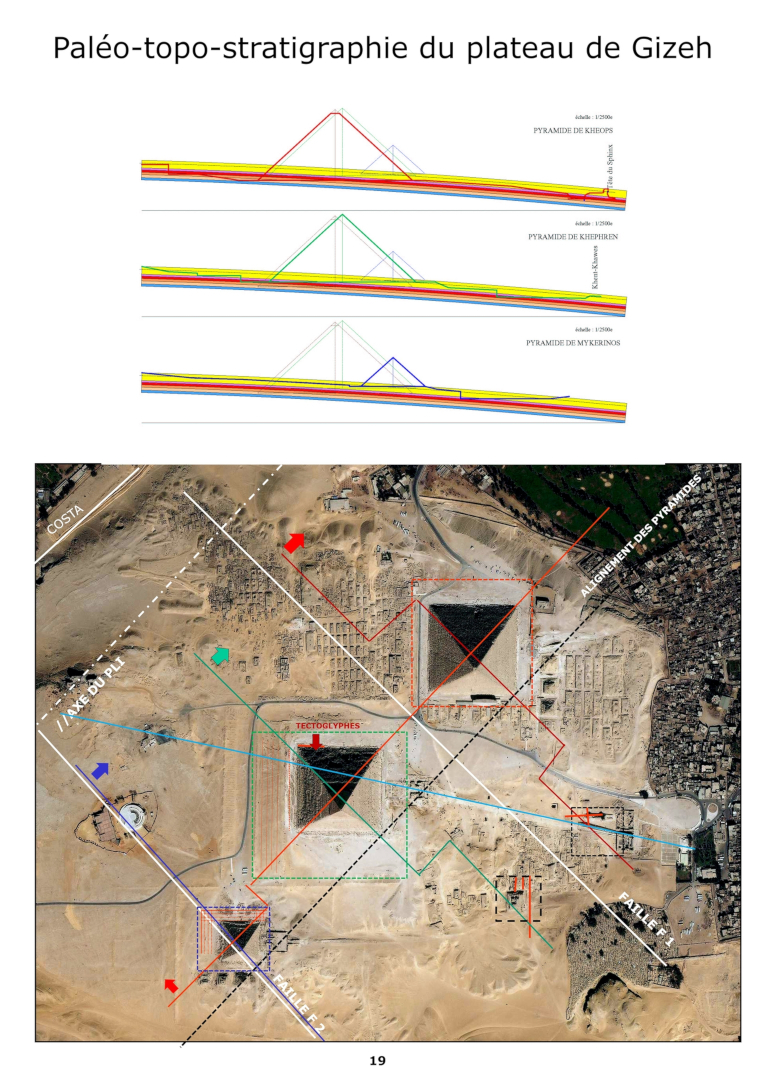
The plateau’s stratigraphy was digitally modeled using photogrammetric surveys from the National Geological Institute, processed by Judith SAUSSE (geo‑engineering), and subsequently verified on site.


Note the line connecting the base of the pyramid to the Queen's Chamber on one side and the ramps of the ascending corridor and Grand Gallery on the other, as well as the placement of the 50 granite monoliths, including one weighing 63 tons, superimposed on the King's Chamber, and the placement of the limestone chevron that caps them.
SCIENTIFIC CONTRIBUTIONS AND MODELING
His research was disseminated through publications, lectures, scientific workshops, 3D modeling, educational exhibitions, and pedagogical projects designed to help audiences understand the constructive logic of the pyramids through experimentation:
1993 — Conceptual Sketches
In Système constructif des pyramides, he published a series of conceptual sketches (pp. 140–144) illustrating the principles of pyramidal growth.

On April 30, the English‑language edition of Al Ahram International published an article by Dr. Said EL LAWANDY titled:
“Herodotus’ explanation of the construction of the pyramids is the only scientifically valid one. Pierre CROZAT, a French architect, did not expect that his destiny would lead him onto the path of Egyptology, making him one of today’s leading specialists…”

A simulation program was developed at the Computing Center of the University of Paris VI by M. BOURDIN (DEA), enabling digital experimentation with the constructive model.
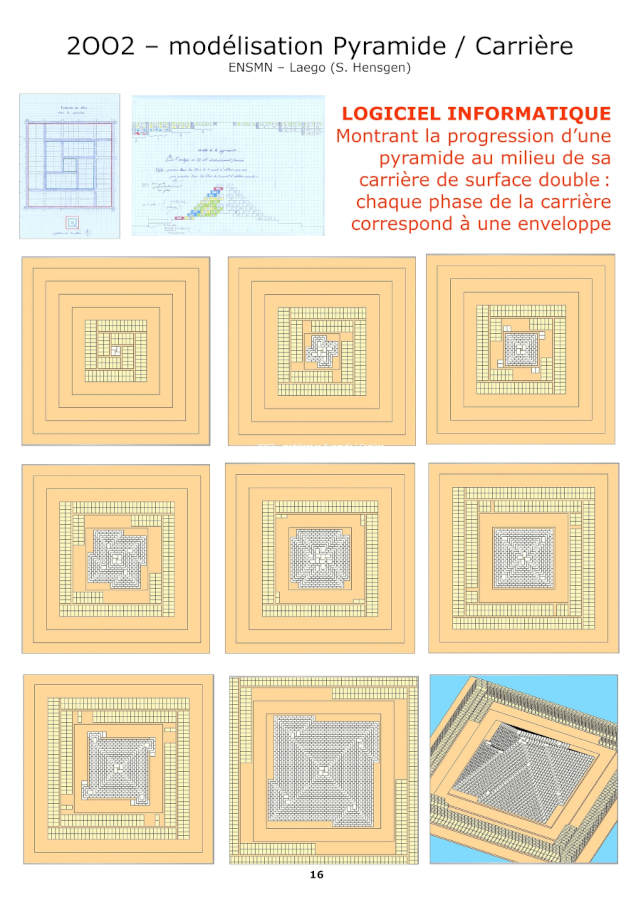
At the École des Mines de Nancy (LaEGO), a numerical model of the pyramid built over its quarry was produced by Thierry VERDEL, Olivier DECK, Sébastien HENSGEN, and Guillaume BONFANTE (LORIA). The model demonstrated the progressive growth of a pyramid within a quarry whose surface area was twice that of the monument—each phase of quarry extraction corresponding to a new envelope of the pyramid.
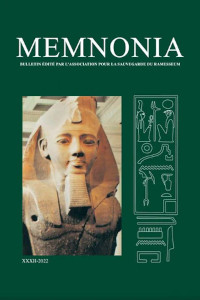
Jean‑Pierre MOHEN, Director of Heritage and Collections at the Musée du Quai Branly, published a commentary in MEMNONIA, Supplementary Volume No. 1 (Cairo, 2003), stating:
“The search for the quarries around the pyramids, particularly that of Cheops, following a geological study of the soil and the Lutetian nummulitic limestone blocks used for the construction of the pyramid (98% local), enabled Pierre Crozat (2002) to demonstrate in his thesis that the pyramid of Cheops, like other Egyptian pyramids, was built from the center of its base by volumetric accretion, and must be understood within the technical continuum of prehistoric tumuli…”
In June 2007, MOHEN wrote to him:
“Your knowledge of geology and engineering sciences predisposed you to understand better than anyone how the ancient Egyptians proceeded, with intelligence and economy of means… Your thesis at the École des Mines de Nancy proved this brilliantly…”

Together with Hilal ZARZOUR (Beirut Arab University), he analyzed the Grand Gallery of the Great Pyramid within the framework of the “pyramidal growth” method.
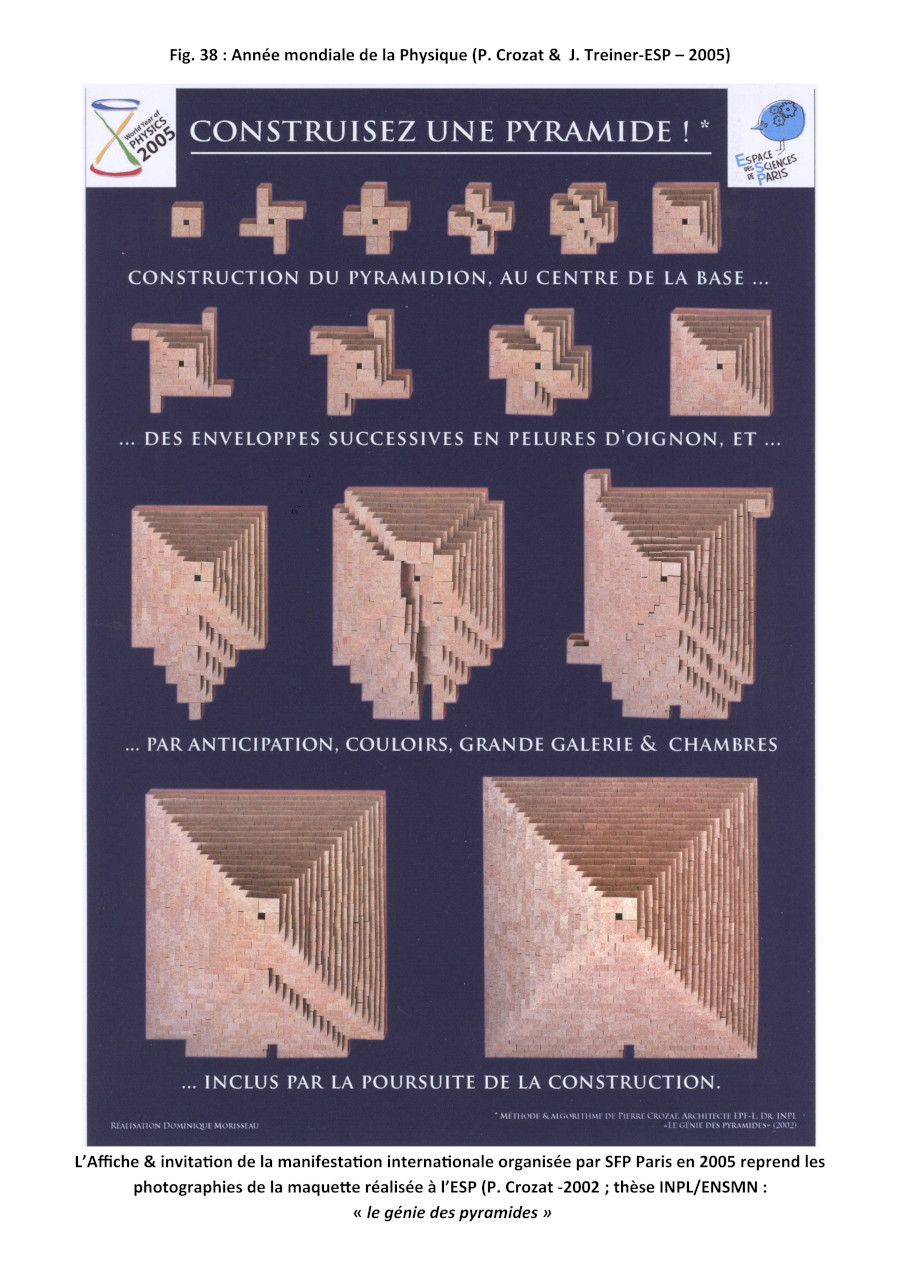
For the World Year of Physics, organized by the Espace des Sciences de Paris (ESP), he created the workshop “Build a Pyramid!”, enabling participants to experiment with the algorithmic method of construction.
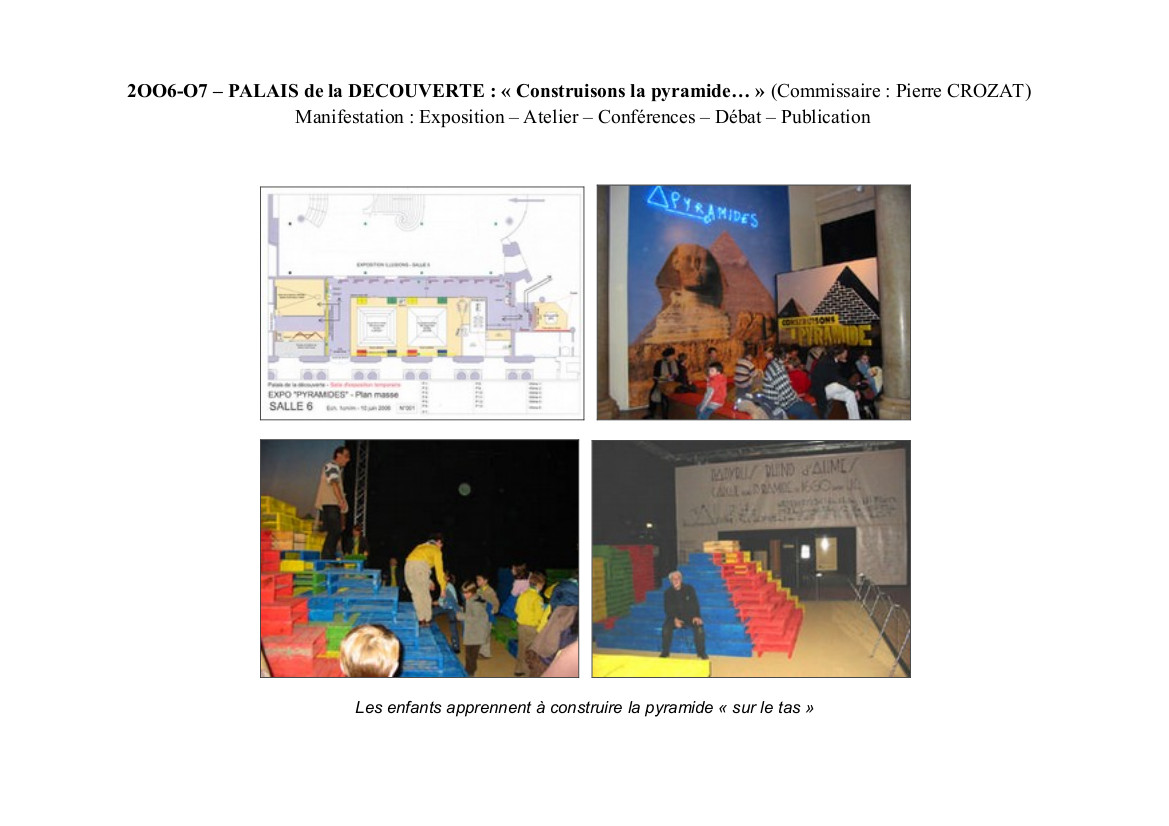
At the invitation of Director Brigitte ZANA, he served as curator of the exhibition “Construisons la pyramide…” (“Let’s Build the Pyramid…”).
A documentary animation film titled PYRAMIDES was produced for the occasion.
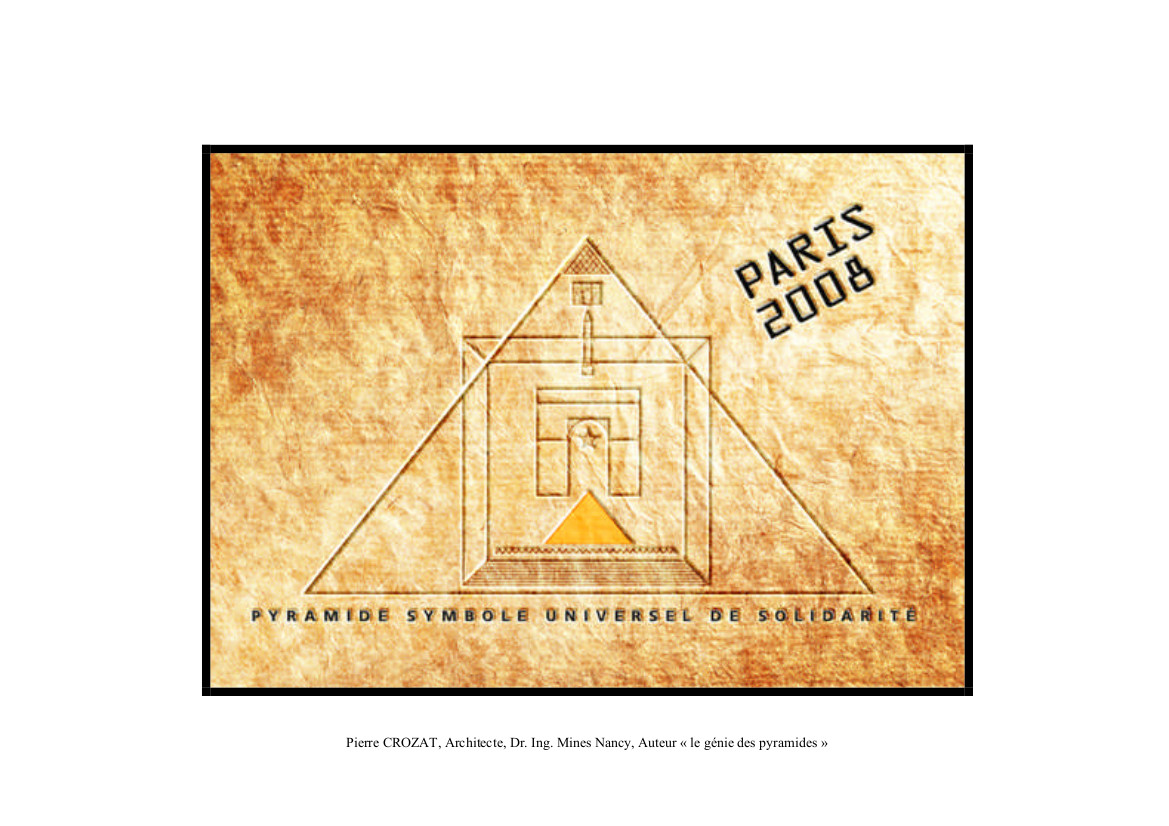
He proposed the construction of a temporary wooden‑palette pyramid along the Louvre–La Défense axis (Porte Maillot), built collectively by the public, as a symbolic counterpart to I. M. Pei’s glass pyramid.
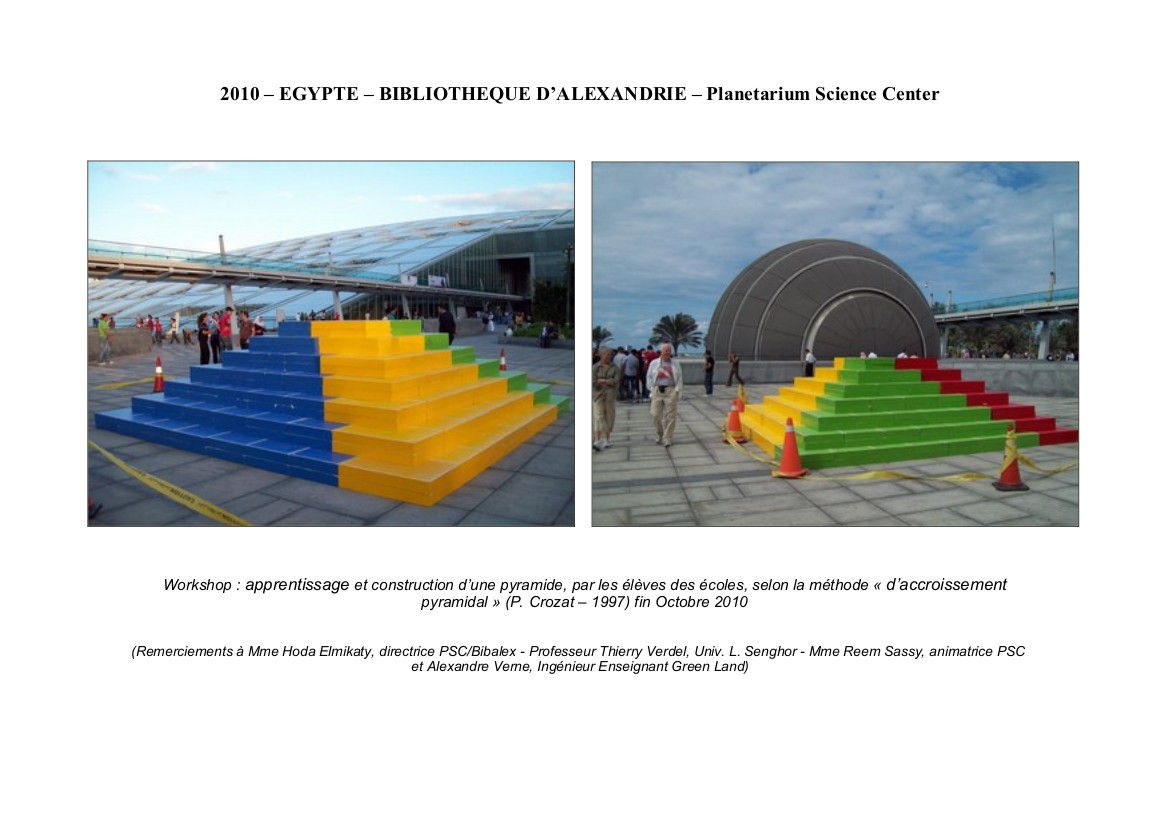
At the Planetarium Science Center of the Bibliotheca Alexandrina, he led a workshop with Hoda ELMIKATI, Thierry VERDEL, Reem SASSY, and Alexandre VERNE, during which students from Collège Saint‑Marc built a pyramid on the forecourt.
2017 — Paleo‑Topo‑Stratigraphic Reconstruction of the Giza Plateau Judith SAUSSE (Mines Nancy, GeoRessources Laboratory) produced a reconstruction of the paleo‑topography and stratigraphy of the Giza Plateau using surveys by Thomas BURLETT (Mines Nancy) and the GOCAD software (ENSG GeoRessources, Geomechanics–Structures–Risks team). The survey mission, funded by the CNRS, was carried out in August 2015 by Pierre CROZAT. To learn more...


He proposed a second lecture at the Planetarium Science Center of the Bibliotheca Alexandrina, titled “KHUFU, Grand and Small Voids: Where, Why, and How to Build Them?”, offering a purely structural interpretation of the voids detected by Japanese muon‑tomography teams.
The proposal was initially accepted, then ultimately declined.

He conducted experimental trials of Herodotus’ lifting device in a quarry, with members of the Compagnons du Devoir (AOCDTF / Jean‑Paul FOUCHÉ).
Many scientists contributed to the dissemination of his work, including:
Click on the image
This experiment was later reproduced at the École Active Bilingue Jeannine Manuel (EABJM) in Paris, under the supervision of the French Academy of Sciences.
Prof. Jacques TREINER, theoretical physicist and member of the French Physical Society, who integrated the pyramid‑construction experiment into a broader program of scientific inquiry for middle‑school students.
Dominique MORISSEAU, who helped produce a video montage demonstrating the algorithmic method of pyramidal construction.
Brigitte ZANA, Director of the Palais de la Découverte, who enabled him to serve as curator of the 2007 exhibition “Construisons une pyramide”.
RETIREMENT AND CURRENT RESEARCH (2010-2025)
Since 2010, Pierre CROZAT has retired from professional practice, yet he has continued his work as an independent researcher. His efforts have focused on the theoretical graphic modeling of the pyramidal‑growth system, conceived as homothetic to the quarry from which the stone was extracted, as well as on defining the logistics of block stacking and the internal structural devices.

CONCLUSION
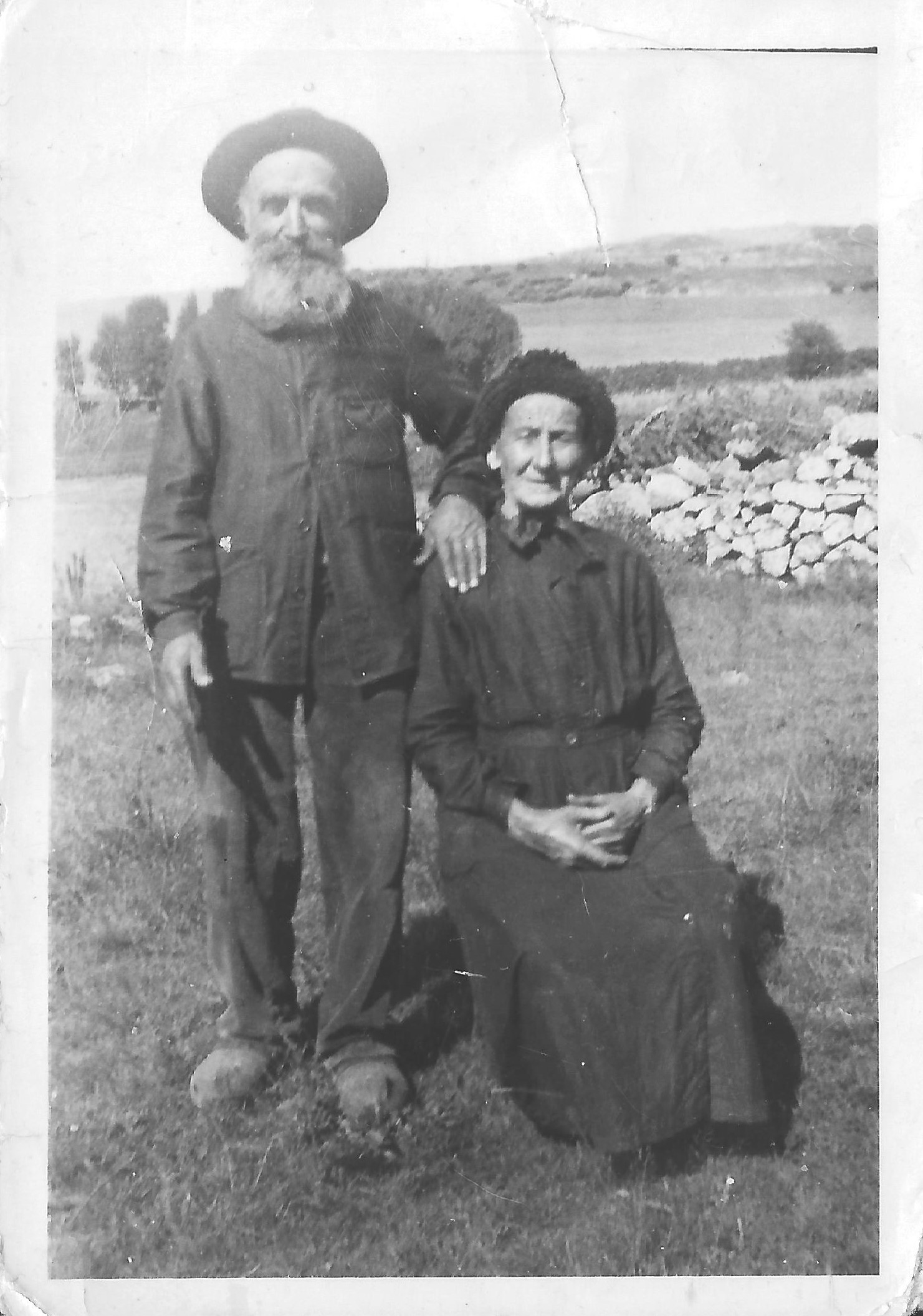
Through a singular journey that began in modest circumstances and was nurtured by an early talent for drawing and spatial representation, Pierre CROZAT built a career as an architect‑urban planner marked by major projects in France, Africa, and Asia. His late‑blooming passion for ancient Egypt evolved into a fully-fledged scientific endeavor: a thesis unanimously praised, research recognized by both French and Egyptian institutions, geological verifications conducted on site, and unprecedented digital modeling.
At the crossroads of history, geology, architecture, and civil engineering, his trajectory illustrates the continuity of a simple intuition: to understand the greatest human achievements, one must sometimes return to the stone itself—to the material, and to the logic of the terrain.